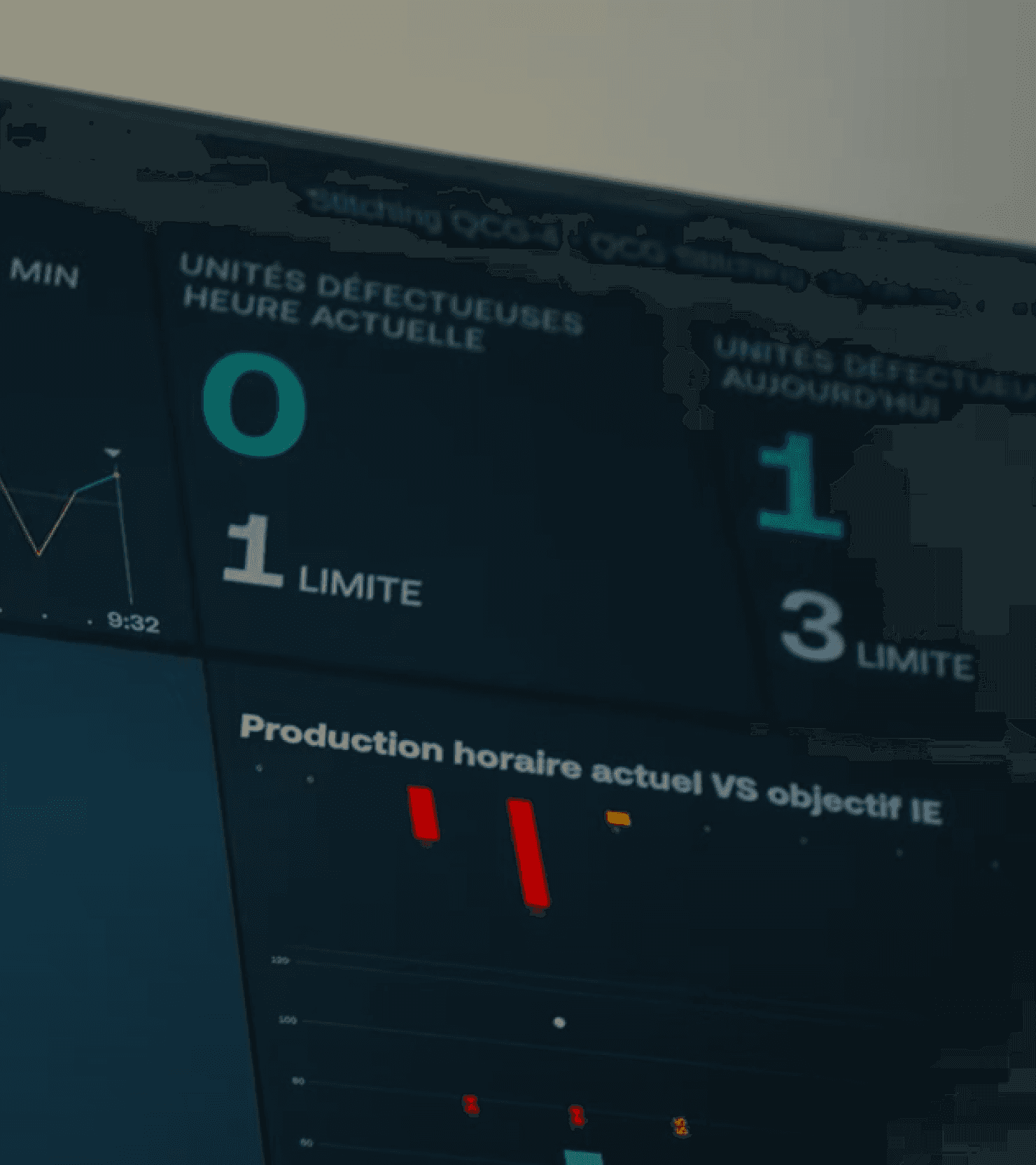
Reimagining Quality Control in Industry 4.0
A real-time quality control platform for footwear and apparel manufacturing — designed to catch defects where they happen, not where they're counted.
My Role
Design Lead
Scope
Platform Design · Three-Interface Architecture
90%
Task completion rate across usability studies — core flows completed without drop-off after redesign
5–8%
Cost of Poor Quality lost industry-wide per FOB value — the systemic problem Vaeso was built to solve
2,100
DPM achieved in pilot — below the 2,500 industry threshold, from a legacy audit baseline of 4,800+
94%
Artisan adoption rate at pilot sites within the first production week — without formal training sessions
The Challenge
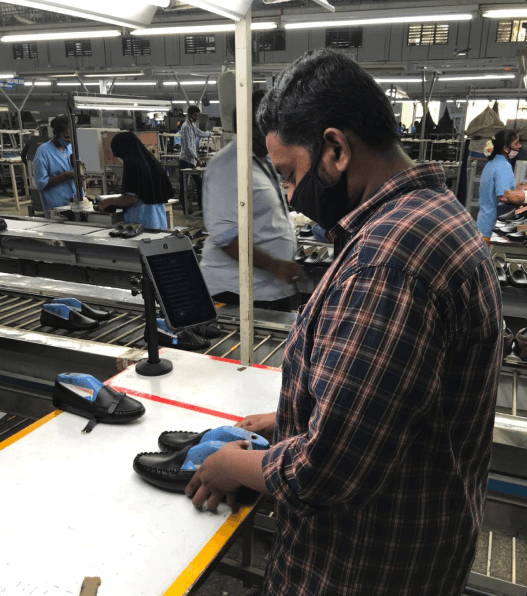
Many of these factories of brands such as Nike, Aldo, American Eagle are mostly situated in developing countries with much of its operations still based on human intervention due to reduced costs, thus posing the following challenges:
Quality Control is primarily a manual and time-consuming process which is quickly error prone and leads to confusion Scaling quality control requires with Industry 4.0 demands real-time monitoring and automation Footwear and Apparel production requires QC standards due to material variations Industry automation and mechanisation increases overall product costs in comparison to human intervention.
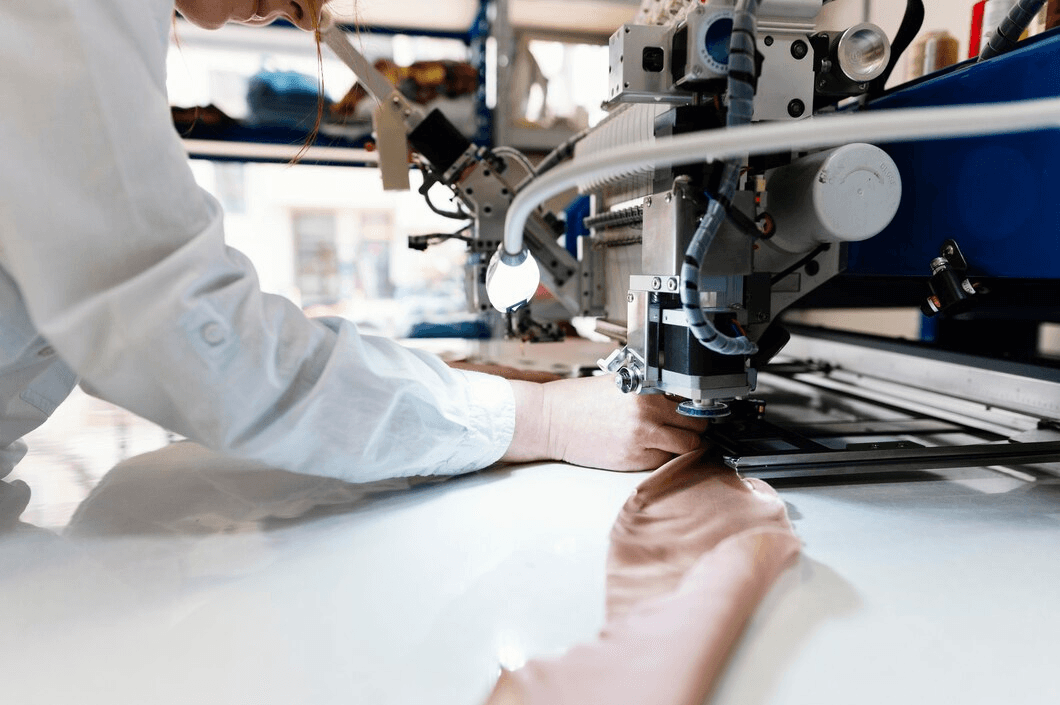
“We need to be able elevate our factory worker’s to craftsmen and the key to do this is make them be our guardians of quality in real time”
- John, CEO
A Competitive Study
Although many of these applications are more robust and have a high degree of flexibility, most of these applications involve large setup costs and cater to a wide variety of industries thus further widening the learning curve.
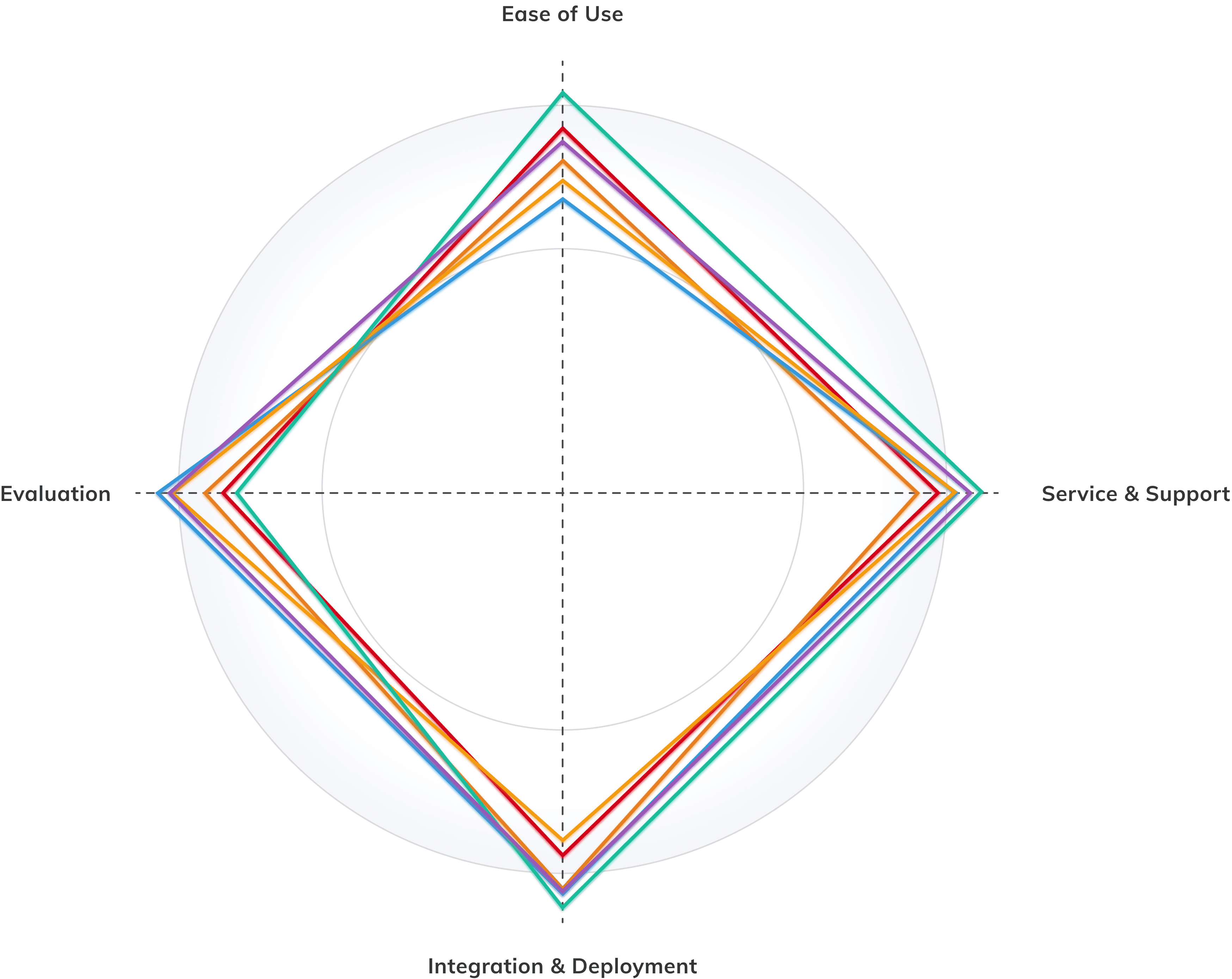
Oracle Cloud
Plex Smart
GE Proficy
Shopfloor Online
Siemens Opcenter
TrackSYS
Literature Study & Observation
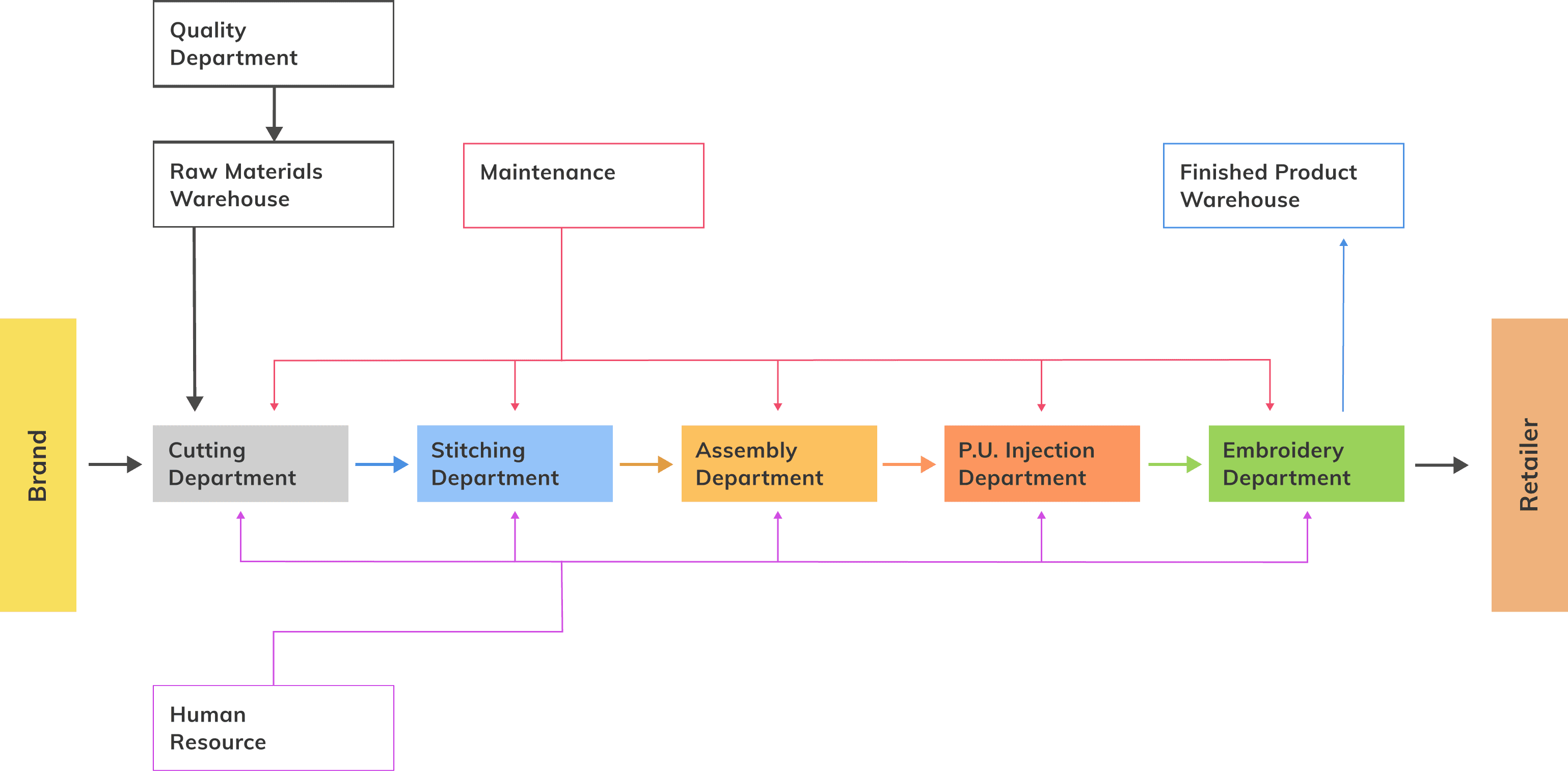
We were not from this domain, so it was important to work with industries to understand this world. Departments in a factory are quite interconnected, where products are built in a linear fashion across multiple lines and departments depending on process plan in agreement between the brand and the factory. Each of these factories audit the built quality of products at every step and therefore it became evident that automation of quality audits is key to it's efficiency.
Knowing our users
Knowing our users is key, they form the piece of the puzzle that could be invisible to us such as their struggles, emotions and their experiences when operating on the factory floor. This is what some of the people we met had to say,

Sidharth Korampalli
EXCELLENCE MANAGER
Age: 26 - 42
Location: Tamil Nadu
Much of our research was involved in managing large volumes of data and processes. Through data synthesis we figured the following were some of the key drawbacks to the current system. They are,
Inconsistencies in defect detection due to varying human judgment.
Slow feedback loops leading to increased defects in batches.
Lack of real-time adjustments causing delays in production optimisation.
Hence, we needed to re-imagine systems that work for factories with large work forces accompanied with budget constraints. But today’s workers are now very tech savvy with the advent of smartphones, this was seen as opportunity in up-skilling workers into artisans.
Ideating the Concept
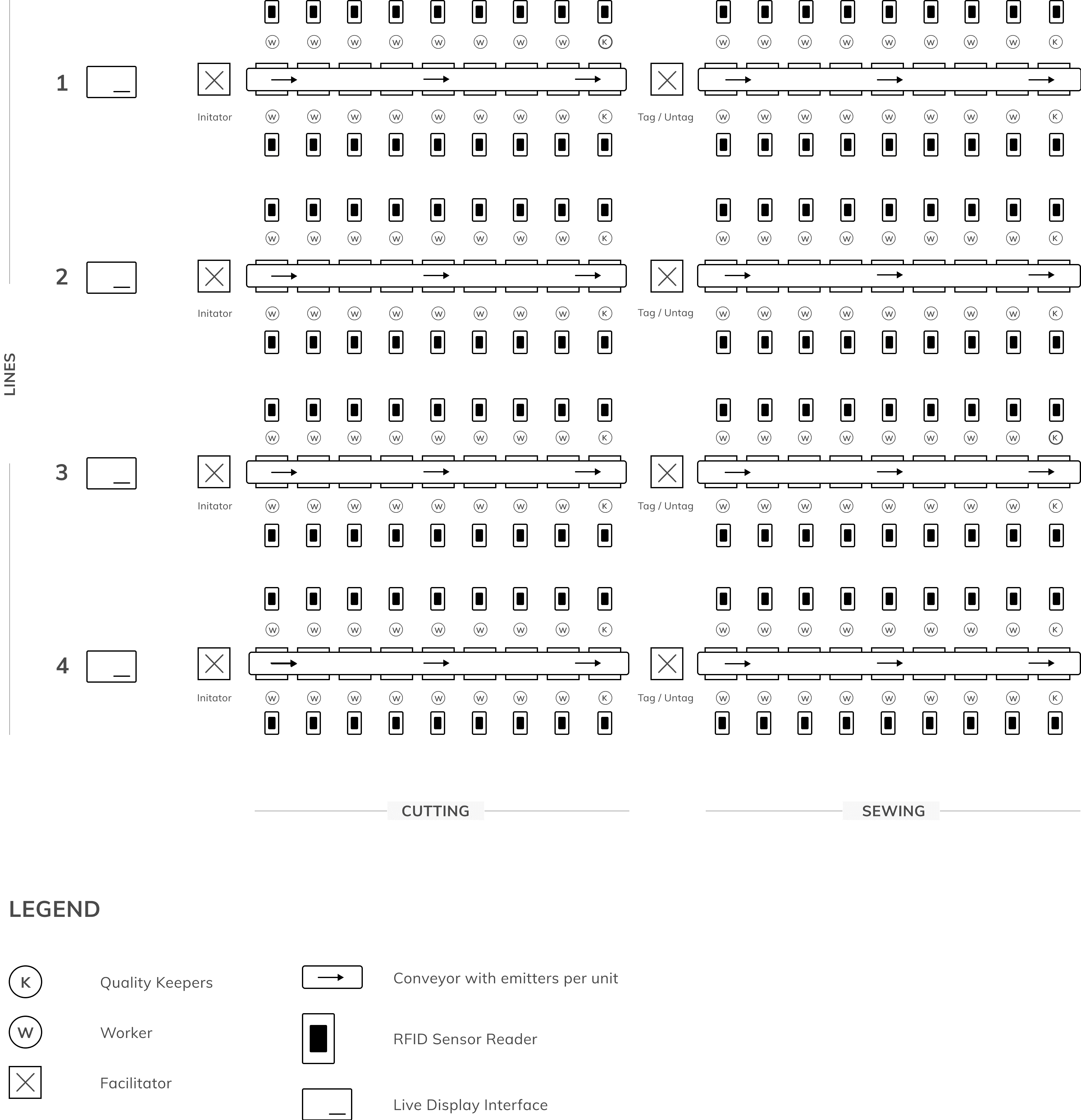
Since much of these processes were managed on paper and spreadsheets, it was quite tedious task to keep track of all these operations at once in real-time which required us to automate these sections in phases.
Breaking it Down to Stories
The Idea was now in place and it was time to break it down. We modularised our action items into into Epics and targeted designs through stories which were released in sprints prioritised based on what we need to test first. We used task management softwares such as Jira to keep track of progress and collaboration across teams through discussions with stakeholders.
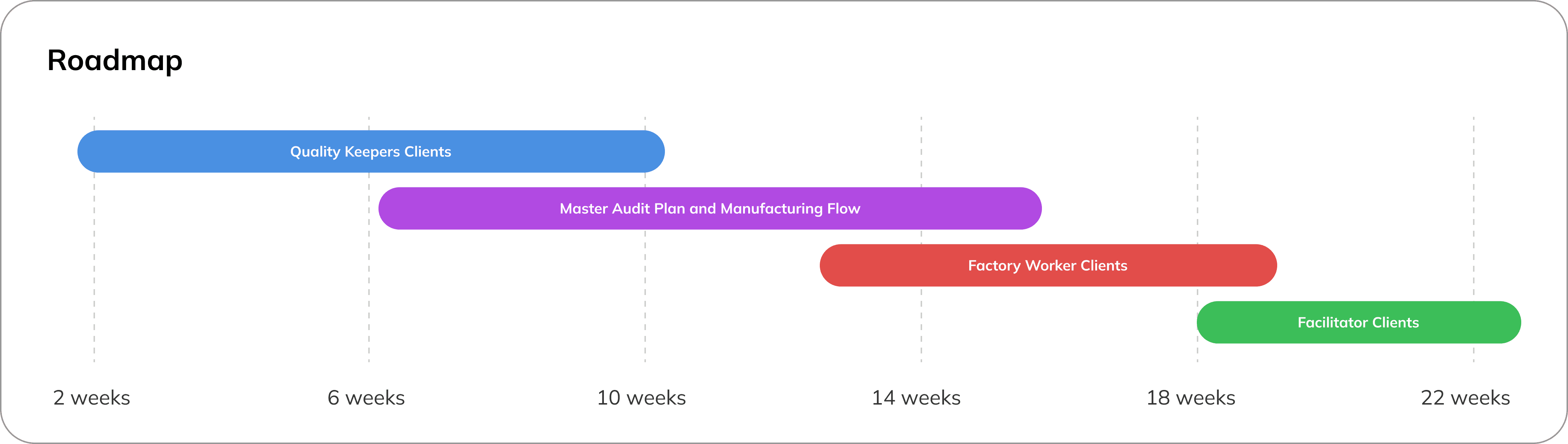
Visualising the Approach
Nothing is sorted until it’s visualised and therefore we needed a “Design” for people to visualise their future. Below is a sample of how we thought through the layout of the Manufacturing Flow Configurator, which was one among many such modules. The configurator is the heart of every factory and needs to be built just right!. Started with Low Level wireframes through brainstorming and worked our way up.
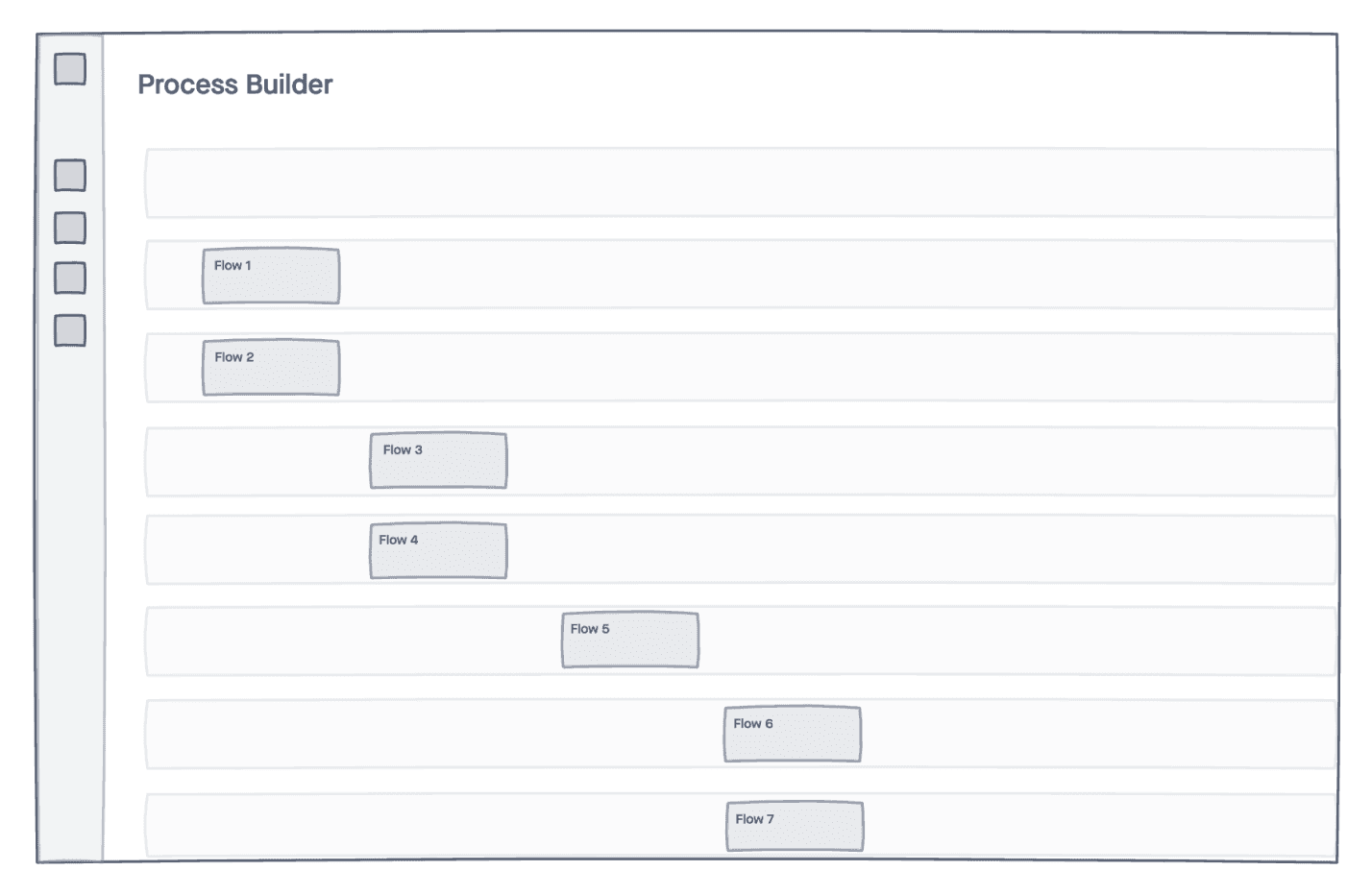
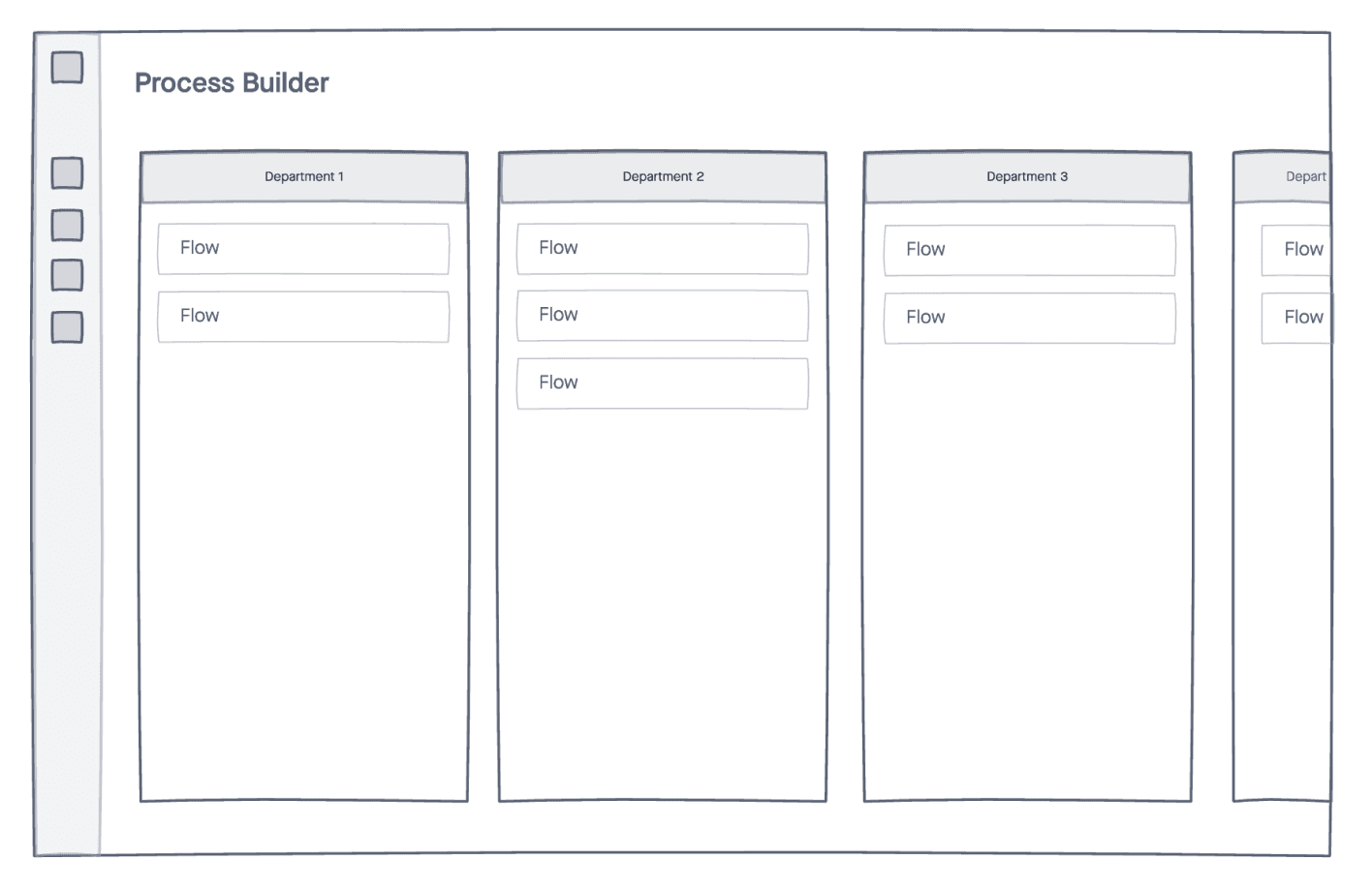
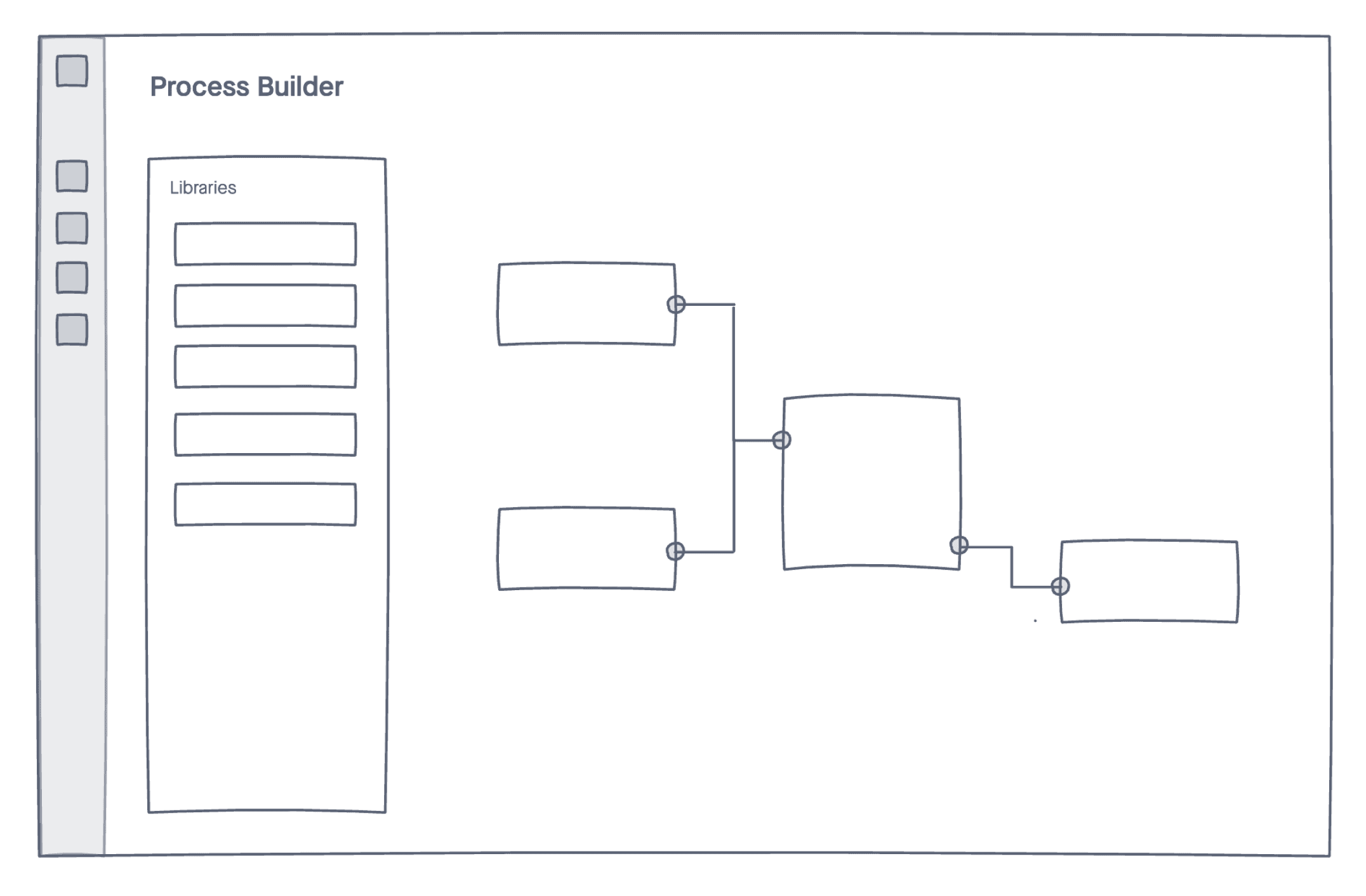
Early steps in re-engineering the Manufacturing flow to integrate the audit plan
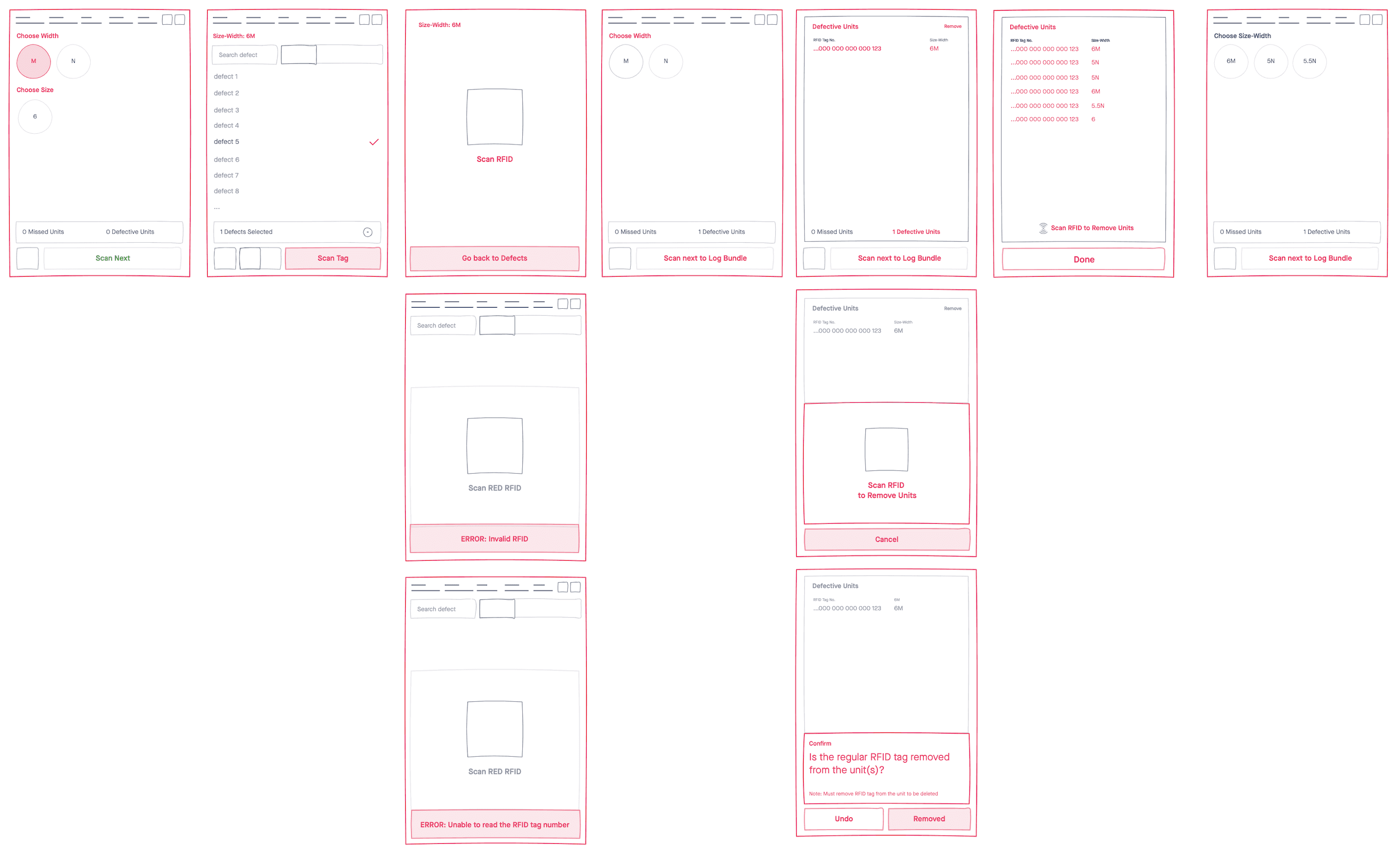
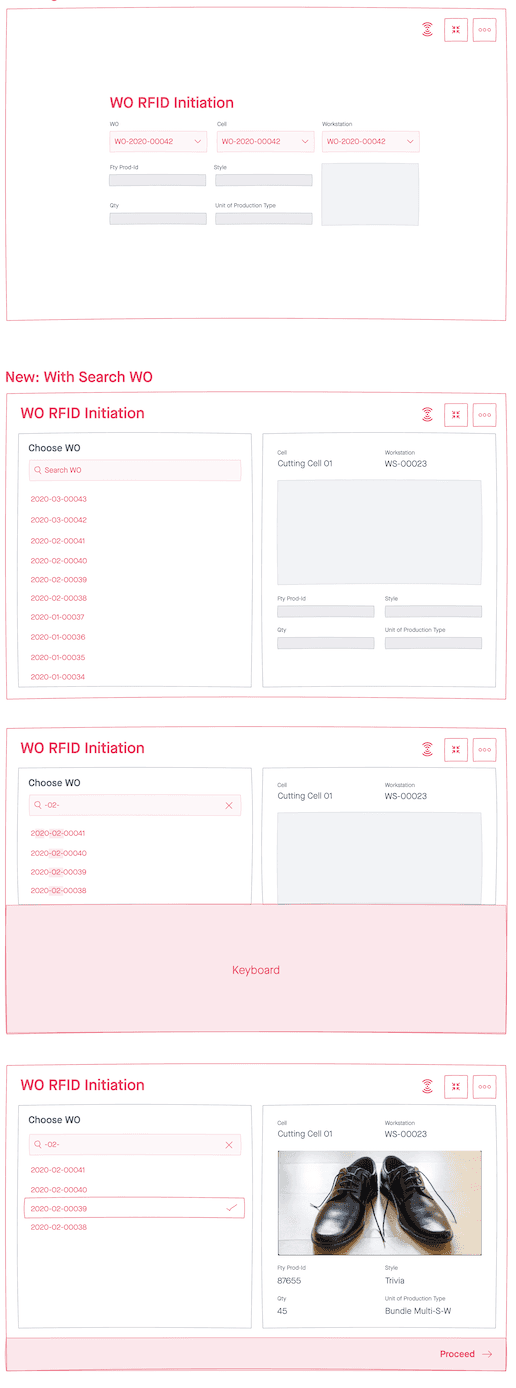
Outlining some of its client or subsystems
Design
An Idea isn’t complete without it’s brand, font and color schema that gives life to the experience and the aesthetic. We inspired from the Tesla Design System, but something this complex needed a little customisation, we gave it our own essence but with simplicity at it’s centre.
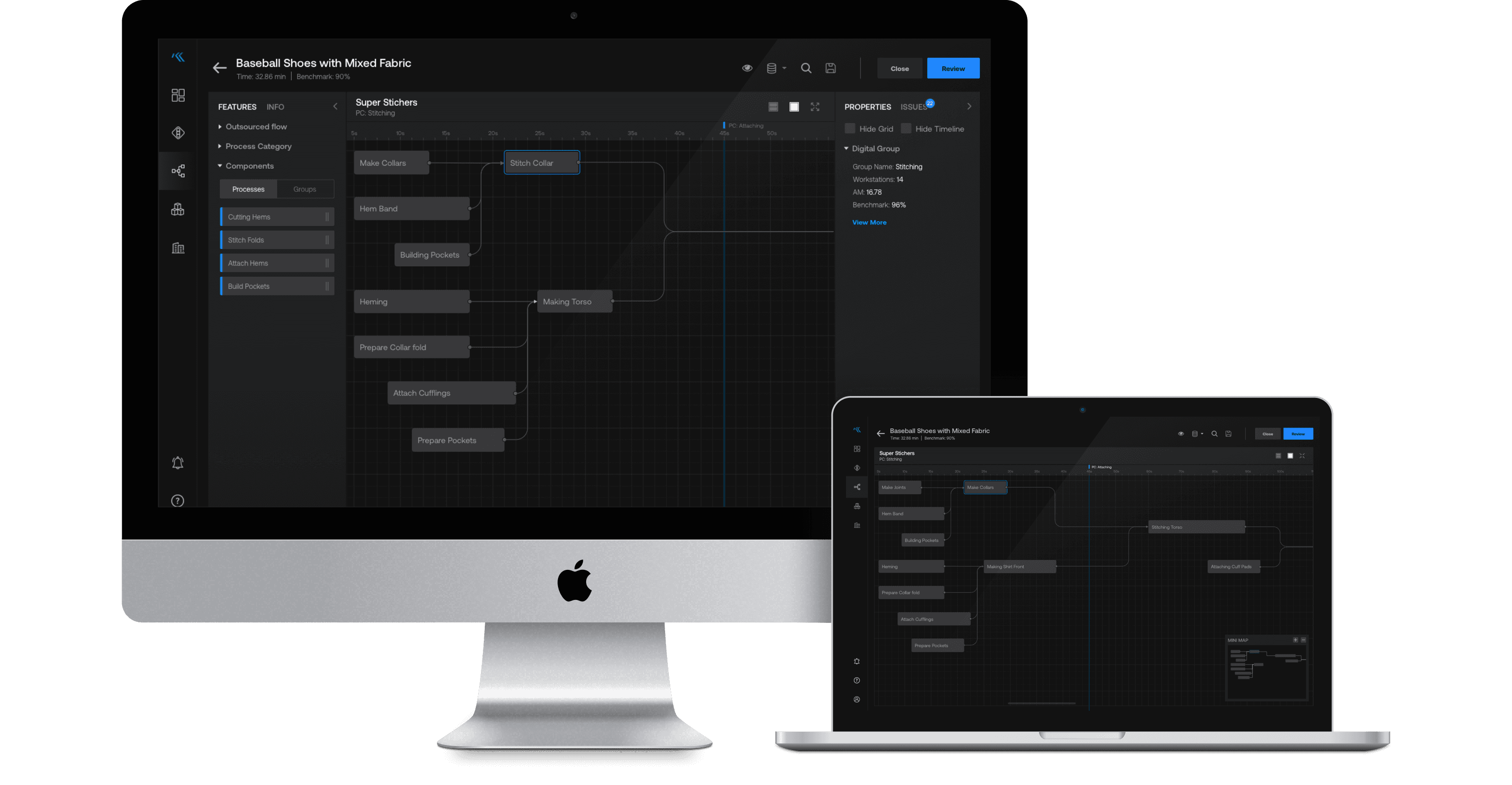
Shop Floor Manufacturing Flow Configurator
Color
We used crisp and bright colors for emphasis and subtle greys for readability to avoid eye straining contrasts in dark backgrounds.
Typography

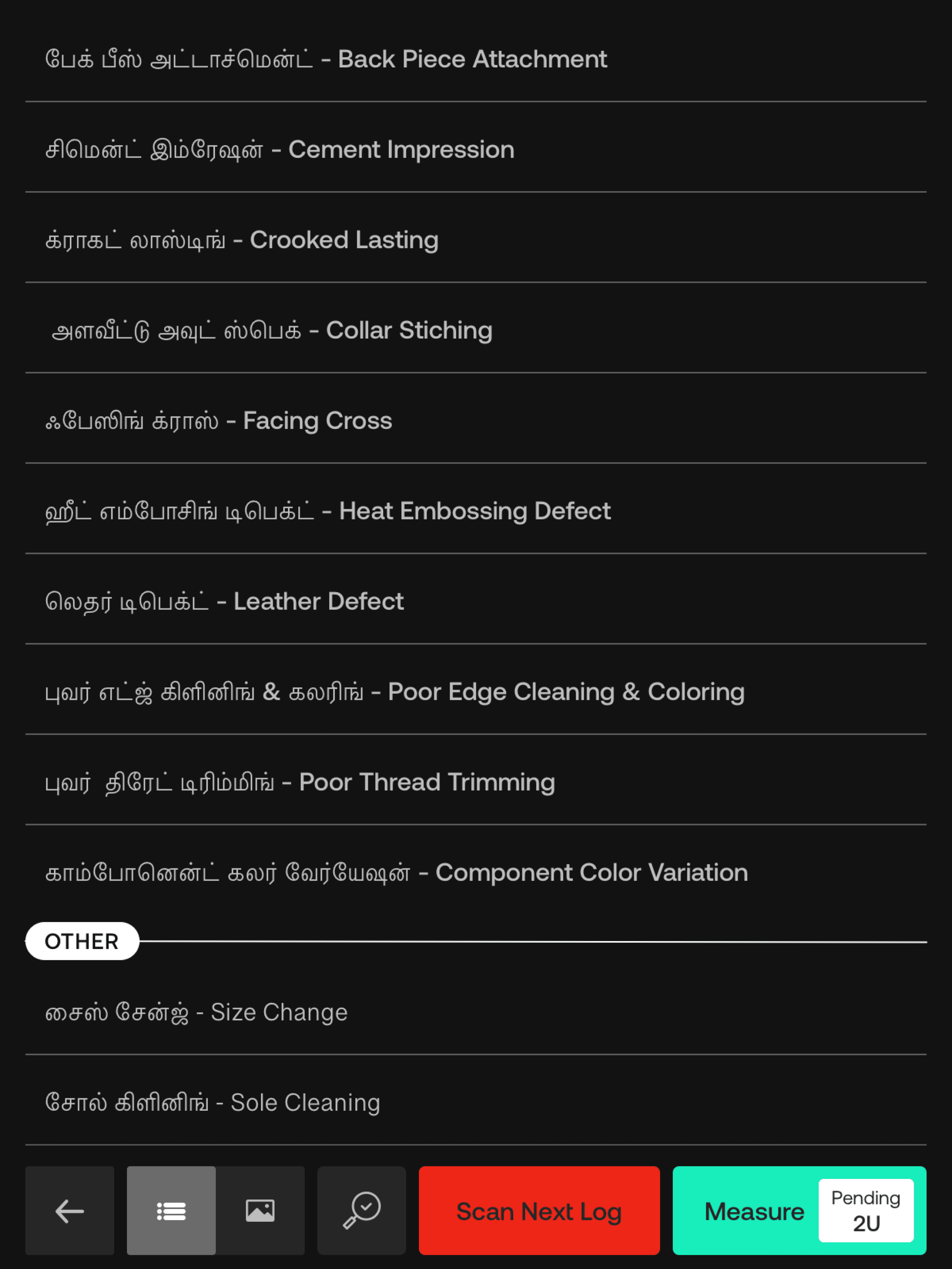
Spacing
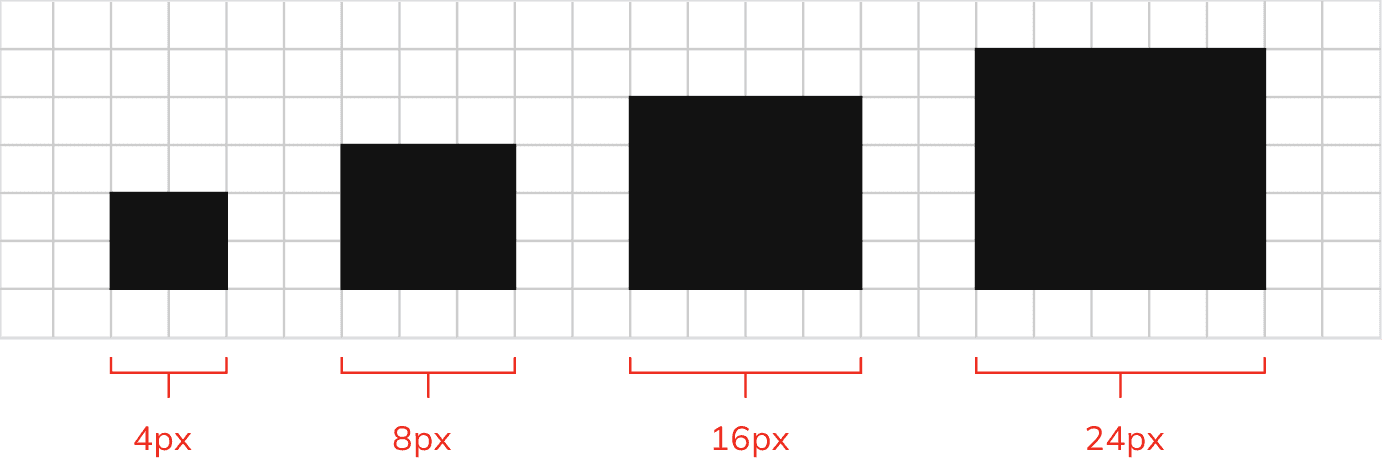
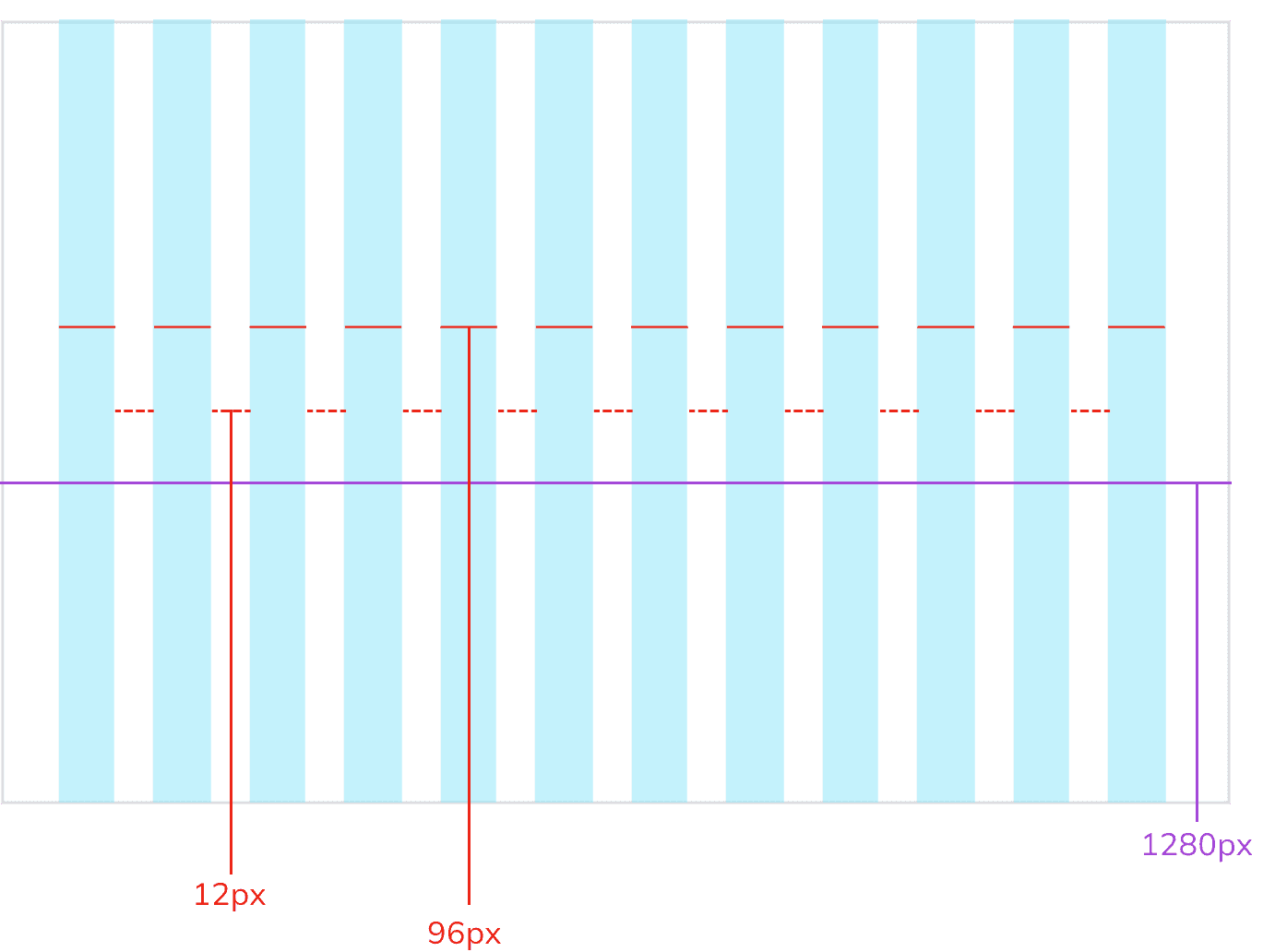
A combination of the 4px grid for positioning objects evenly as well as a 12 column grid system to align elements for responsive design were used for a more robust and symmetric design overall.
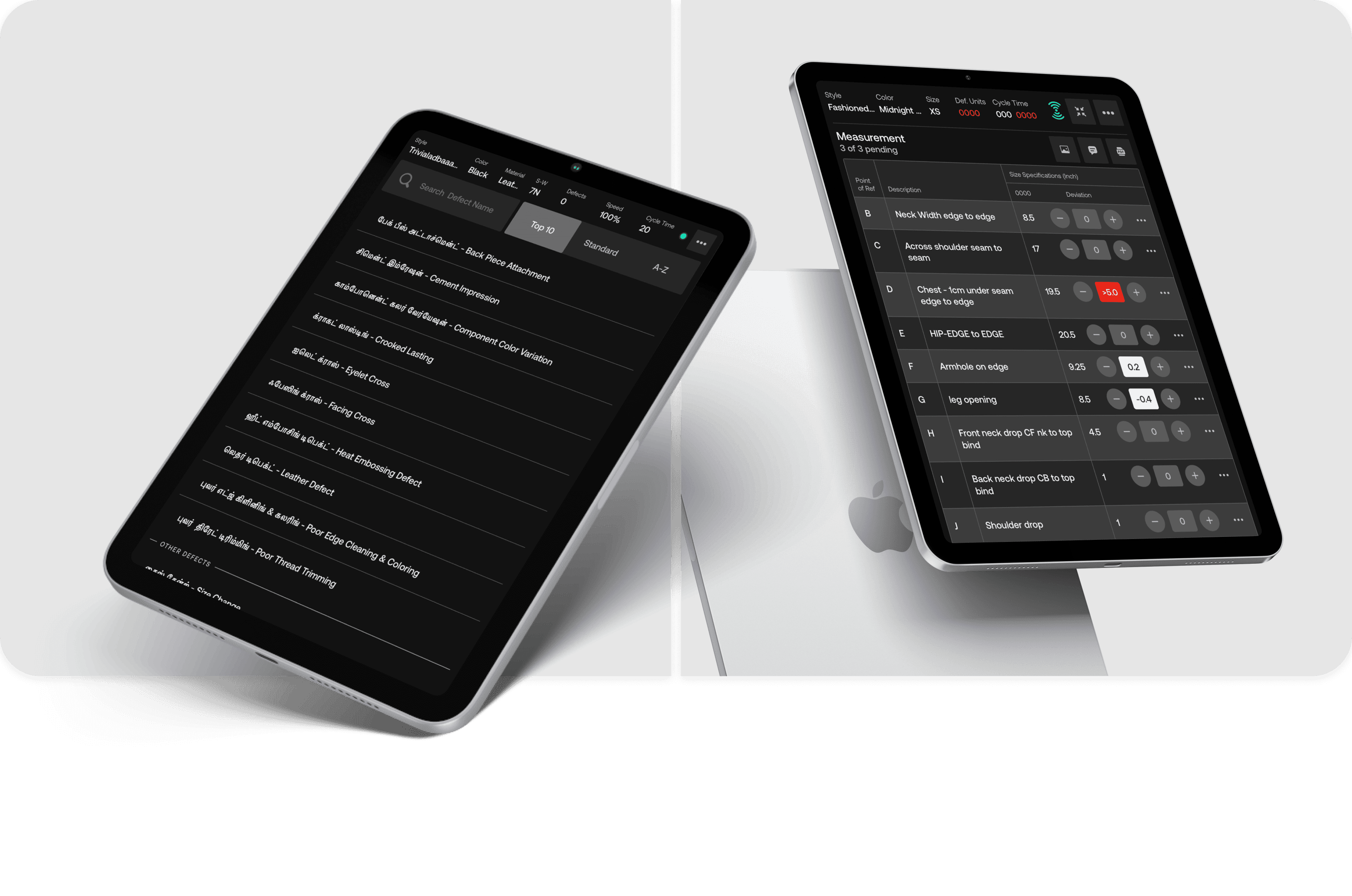
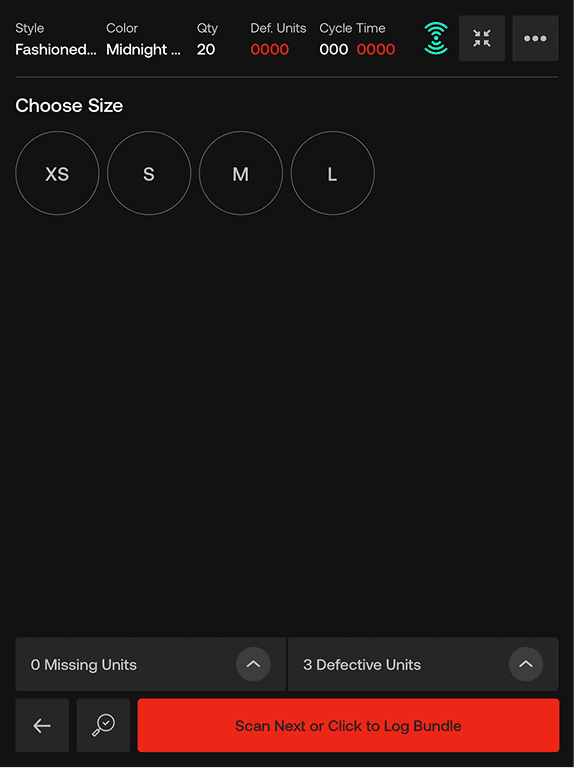
Quality Keeper Defect Logging Interface
User Testing
Our tests were conducted on the factory floor with beta production lines. This data was then captured and analysed with stakeholders for further improvements.
90%
Task completion rate across usability studies — core flows completed without drop-off after redesign
5–8%
Cost of Poor Quality lost industry-wide per FOB value — the systemic problem Vaeso was built to solve
2,100
DPM achieved in pilot — below the 2,500 industry threshold, from a legacy audit baseline of 4,800+
Since most of these factories relied heavily on pen and paper, the system was a leap frog from their current mode of function. The app significantly reduced inspection time, minimised re-audits and enhanced data accuracy.
The Future
Quality control is often a reactive process—workers manually inspect products, relying on experience and intuition. This method, while valuable, is prone to inconsistencies and inefficiencies. But understanding overall cost and empathising the concerns of developing manpower, going forward below were a few key ideas of AI powered manufacturing:
AI as a Learning Assistant
Instead of replacing workers, AI acts as a personal mentor, providing real-time feedback on quality variations.
Augmented Decision Making
Workers no longer rely solely on visual inspection. AI-powered defect detection assists them in spotting micro-defects invisible to the naked eye.